Drive along Woodfield's cart paths on a weekday morning and the story is right there in front of you. The 18-hole course, laid out across manicured lakes and doglegs, might have four groups on it before ten o'clock. Head over to the racquet complex instead and you'll find a different scene: eight pickleball courts filling up early, players rotating through open play before the heat sets in. If you've lived inside these gates for a while, you've probably noticed the same thing. The club's attention, and its money, keeps landing on the racquets.
That's not a knock on the golf course. It's a pattern worth naming, because it tells you something about how Woodfield actually functions day to day, as opposed to how a country club is supposed to function on paper.
The Courts Got New Surfaces First
Ask anyone who plays there regularly and they'll tell you the pickleball courts got some real attention recently. Fast-Dry Courts, a specialist contractor, resurfaced all eight of Woodfield's cushioned pickleball courts and modified the fencing for durability, adding new custom fence poles, top rail padding for player safety, and fresh windscreen. That's not a cosmetic touch-up. It's the kind of capital project a club approves when a sport has outgrown its original footprint and needs infrastructure built for volume, not novelty.
Compare that to the golf course's renovation history, which moves on a much slower clock, and the contrast starts to look less like coincidence and more like a signal.
A National Honor Backed by Twenty Real Courts
Woodfield's tennis program isn't just well-regarded locally. The club has been recognized by the Tennis Industry as the Private Club of the Year for its programming, and by the United States Tennis Association as the Private Facility of the Year for its amenities. Those aren't participation trophies. They're the two most relevant national designations a private tennis facility can earn, and Woodfield holds both.
The infrastructure behind that recognition is specific. The complex runs 18 HydroGrid courts, one Italian red clay court, and one Decoturf hard court, all lit for night play. That mix matters if you've ever tried to book a clay court in season anywhere else in Boca Raton. Most clubs pick a surface and standardize. Woodfield built variety into the program from the start, which is part of why members across skill levels and generations keep finding a match on the schedule rather than waiting for one.
Who's Actually Running the Day-to-Day
The people behind the numbers matter more than the numbers themselves. Bart Messing oversees culinary operations as executive chef, which means the five dining venues residents rotate through, from casual poolside service to clubhouse dining, run under a single point of accountability rather than a rotating cast. On the racquets side, Jeff Cohen directs tennis programming and clubwide activity, the same role responsible for translating those national awards into weekly clinics, leagues, and junior development rather than letting them sit as a plaque in the pro shop.
This is the part outside guides tend to skip. A club's amenity list looks identical on paper across half a dozen Boca communities. What differs is who's running it and how consistently, and that's a harder thing to fake or replicate.
The Golf Course Runs on a Different Clock
Woodfield's course has been touched by three different architects since it opened. Joe Lee designed the original layout in 1988, Bob Cupp reworked it in 2002, and Kipp Schulties took another pass in 2020. That's a full redesign roughly every decade and a half, which is normal for a championship course that needs to stay current on agronomy and playability, but it's a fundamentally different investment rhythm than what's happening on the racquet side right now.
Golf gets a generational refresh. Pickleball just got a maintenance cycle that, by the standards of a sport that's only been mainstream in South Florida for a few years, arrived early and thorough. If you're trying to read where a private club's membership actually spends its time, the frequency of reinvestment is a better indicator than the size of the initial build.
Twenty Villages, Not One Neighborhood
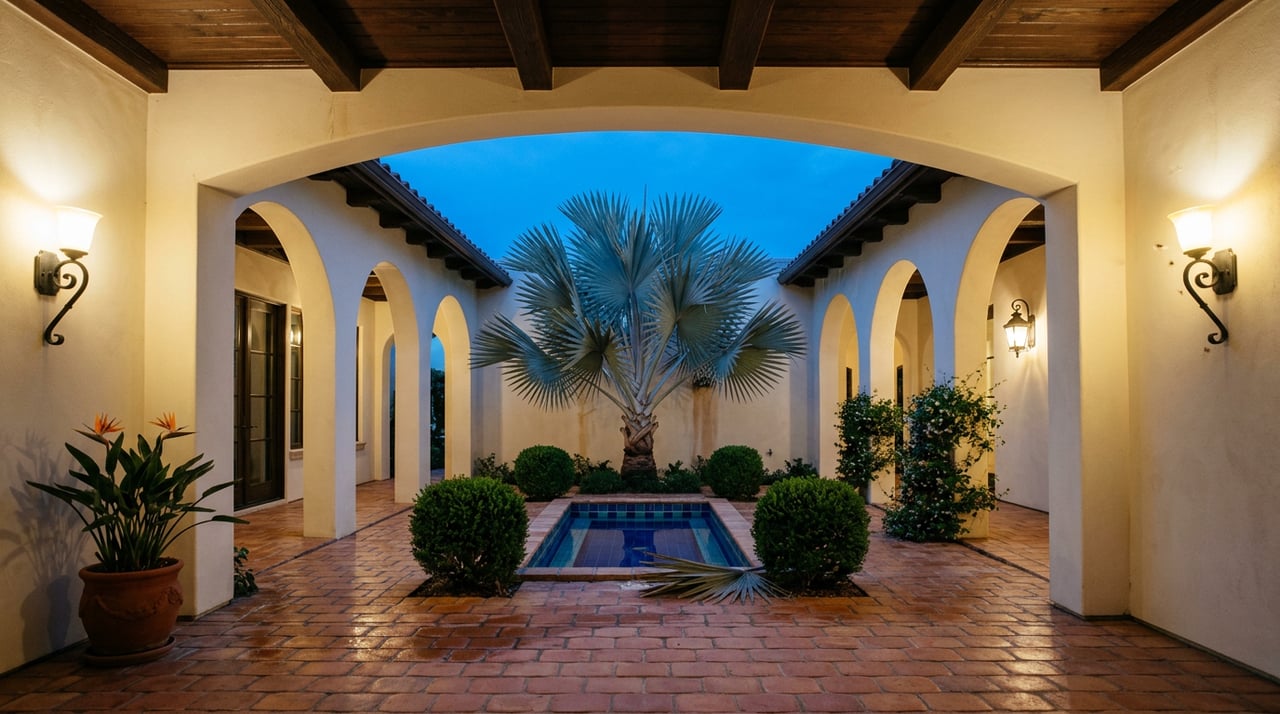
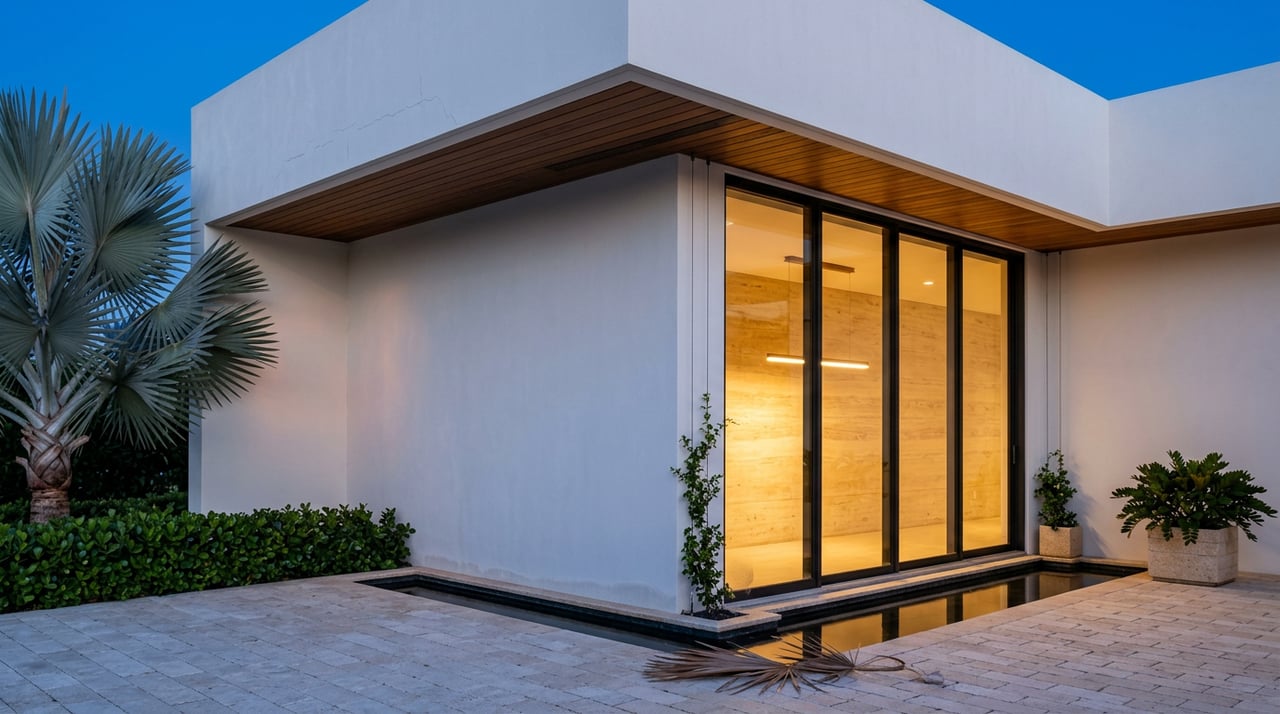
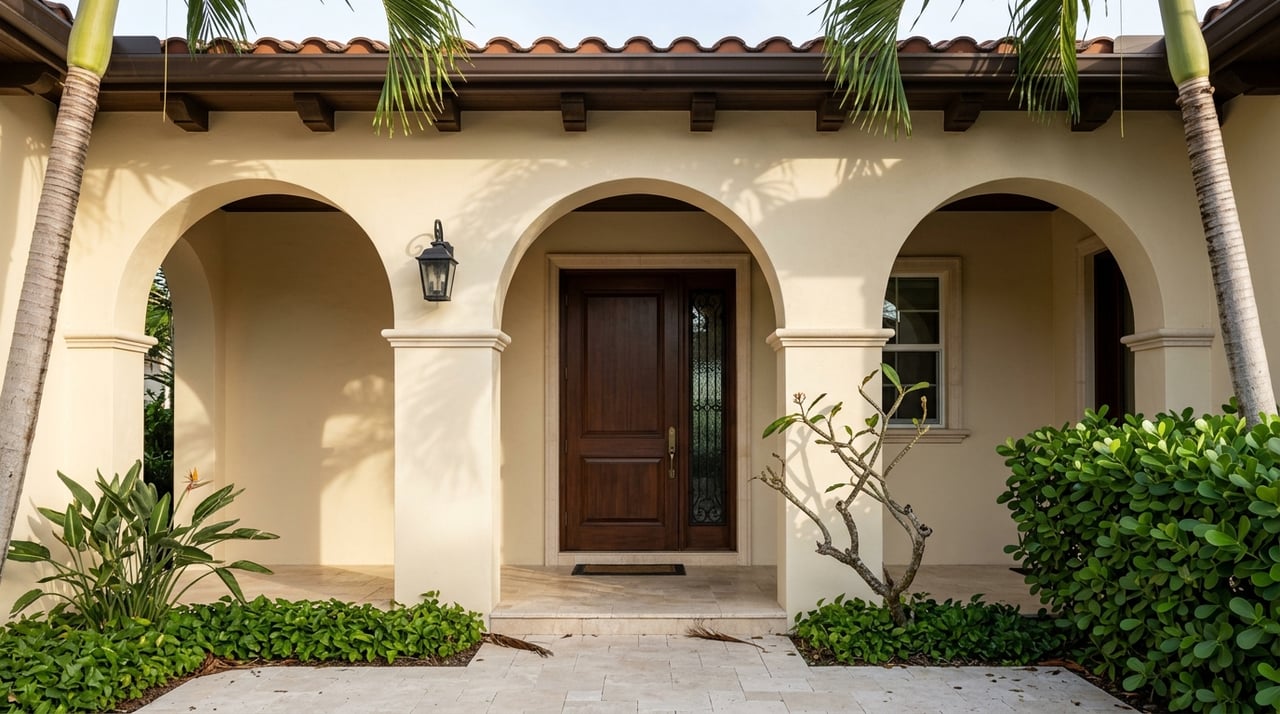
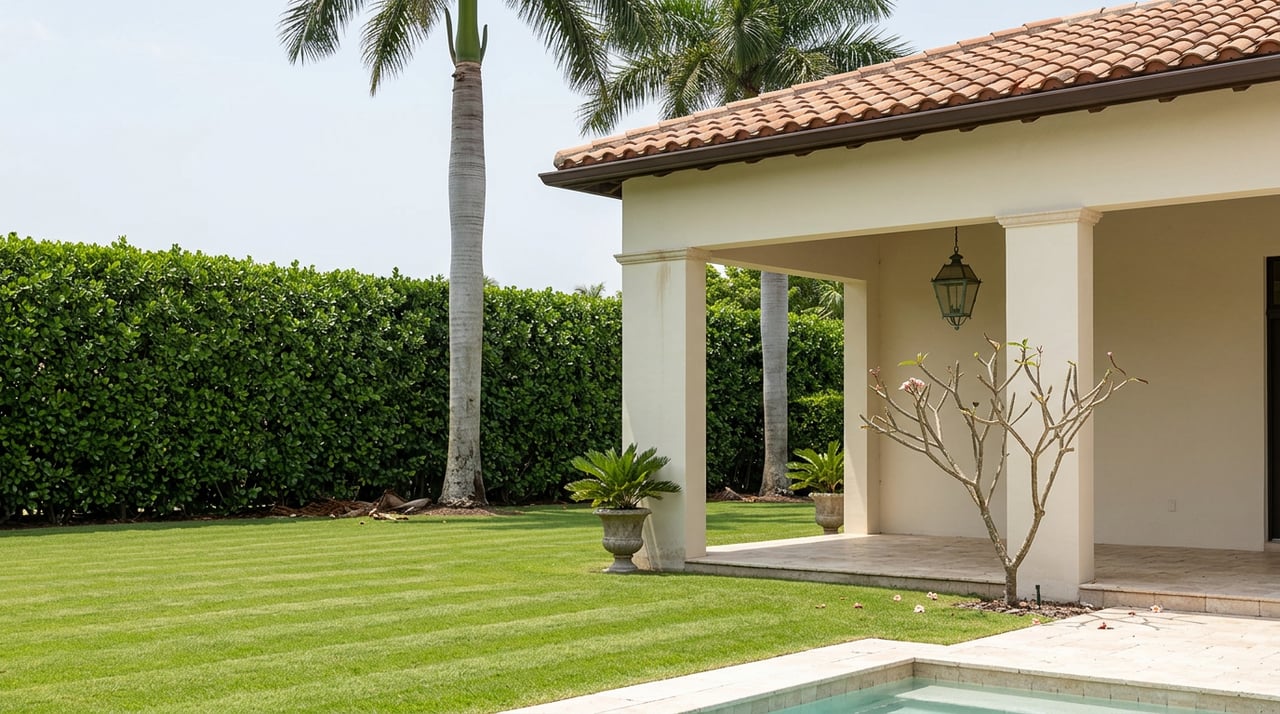
The other thing that gets flattened in most descriptions of Woodfield is that it isn't one architectural style repeated 1,297 times. The 830-acre site was designed so that each of its 20 individual communities has its own identity, separated from its neighbors by lakes and golf holes. Walk or drive through a handful of them and the differences show up immediately:
- Some sections lean into brick-paved roads, gas-style street lamps, and a layout that evokes a quiet English village
- Others draw on Tuscan influences, with the light and landscaping built around that aesthetic
- A few communities use a Key West color palette that reads differently from the rest of the property
- Villages like The Hamptons, Coventry, Bay Creek, and Briarcliff each carry their own scale and streetscape rather than a single repeated template
That variety is part of why a Woodfield address doesn't mean the same thing to every resident. Two people can both say they live at Woodfield and be describing two different daily environments, ten minutes apart by golf cart.
Woodfield Circle Has Its Own Rhythm
The social texture inside the gates has its own name among longtime residents. Woodfield's own community materials describe quiet family strolls around Woodfield Circle blending with neighborhood tennis tournaments, Walk-A-Thons, and barbecues, the kind of informal street life that brings neighbors out of their houses on a regular basis rather than only at scheduled club events. It's a small detail, but it explains something bigger about why Woodfield reads as more residential and neighborhood-driven than some of its country club peers. The club amenities matter, but the street-level habit of showing up for each other is what turns a subdivision into a place people describe as home rather than an address.
What This Adds Up To
None of this means golf is fading at Woodfield. The course is still there, still challenging, still maintained to a standard that's earned it recognition over three decades of redesigns. But if you're trying to understand what actually drives daily life inside these gates right now, in August 2026, the evidence points toward the racquets. That's where the recent capital work happened, that's where the national recognition is freshest, and that's where the courts fill up before the golf carts do.
If you already live here, none of this is a surprise so much as a confirmation of something you've probably sensed for a while. If you're a Woodfield resident weighing whether to pick up pickleball this season, the infrastructure is telling you the club already made that bet.
For more on what's changing across Boca Raton's private club communities, or to get on the list for early word on Woodfield listings before they reach the broader market, Noah Heller and his team track these shifts closely. Unlock VIP Access to stay ahead of what's next.