If you picture mornings on the dock, quick runs through Jupiter Inlet, and weekends chasing reef lines or cruising the Intracoastal, you are in the right place. Jupiter offers a rare blend of river, Intracoastal Waterway, and ocean access that attracts both seasoned captains and new boaters. In this guide, you will learn how the waterways connect, what to check before buying or selling on the water, and how to navigate local rules and costs with confidence. Let’s dive in.
Jupiter boating map at a glance
Jupiter sits where the Loxahatchee River meets the Intracoastal Waterway and the Atlantic via Jupiter Inlet. This gives you multiple access types in one town. You can keep a boat on a riverfront lot, along a canal to the ICW, or near the inlet for fast ocean runs.
The inlet is the primary ocean gateway and is known to shift with sand and storms. Local channel markers and U.S. Coast Guard notices are important to watch. The ICW offers sheltered north-south travel with bridges and canals, while the Loxahatchee provides scenic stretches that narrow upstream and can be shallow in places.
Waterfront property types
Oceanfront
Oceanfront homes offer immediate ocean access with no fixed bridges in your way. They also face the most weather exposure and coastal construction standards. If you prefer day trips offshore and do not want long transits, this can be a fit.
Inlet access
Inlet-facing or direct-access properties put you close to the ocean and Jupiter Inlet. These appeal to sportfishing and diving enthusiasts who want short rides to deep water. Expect more wake and traffic exposure near federal channels and inlet conditions.
Canal-front
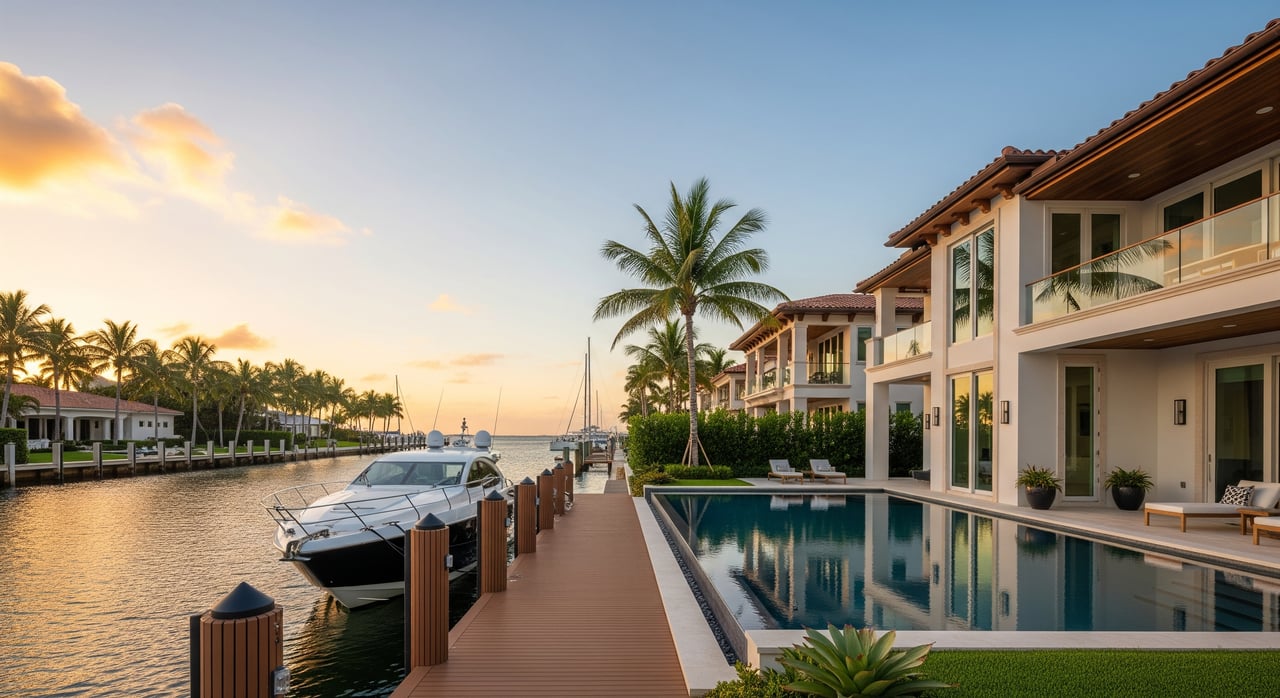
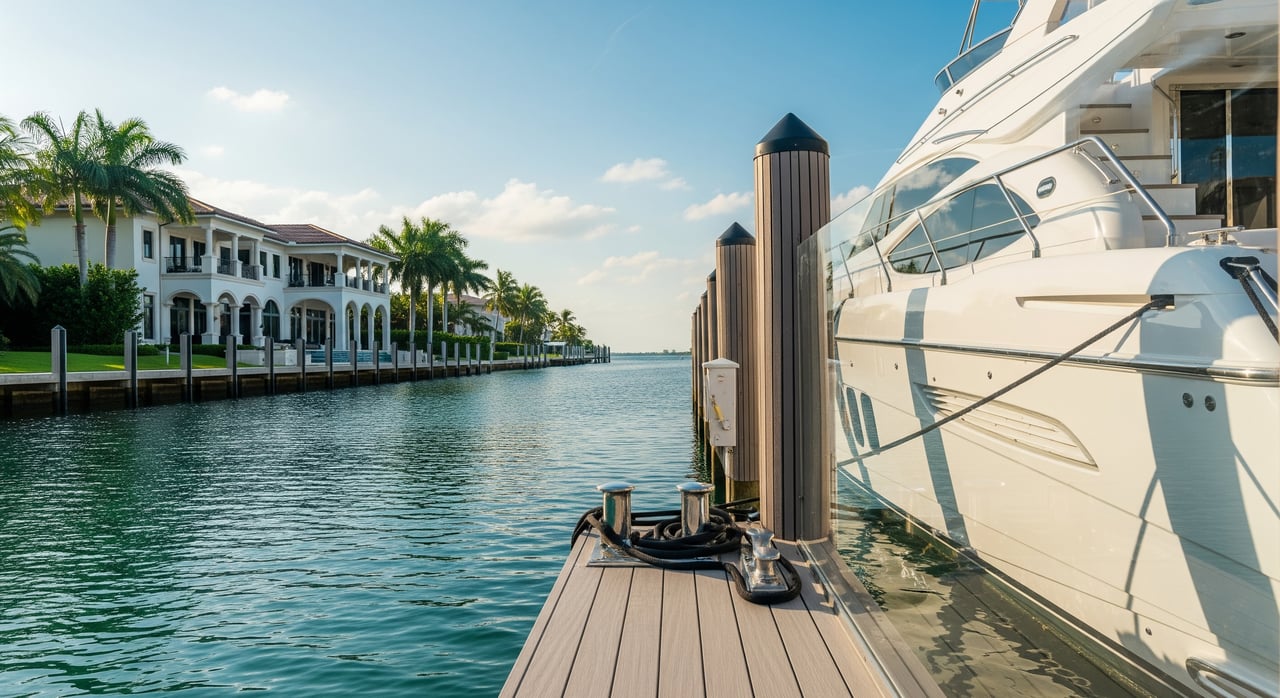
Canal-front homes can be single-family or multi-family and often include private docks and lifts. Depth and width vary by canal, and some areas are managed by associations. It is common to see rules on boat size, slip use, and lift modifications.
Riverfront
Riverfront lots along the Loxahatchee often allow for larger docks and scenic views. In some stretches you will see more environmental protections and speed controls. Upstream sections narrow and shallow, so larger vessels should confirm depth and turning room.
Marina lifestyle
If you prefer a lock-and-leave setup, a marina slip or condo with a deeded slip can be ideal. You gain services like fuel, pump-out, and security. Slip length limits and waitlists may apply at popular facilities.
Navigating Jupiter waters safely
Inlet conditions
The Jupiter Inlet can shoal and is periodically dredged. Conditions change with storms and seasonal sand movement. Review local aids to navigation and U.S. Coast Guard notices, especially if you run an offshore-capable boat with significant draft.
Speed zones and wildlife
You will find manatee protection zones, no-wake areas, and slow-speed stretches near marinas and canals. These zones are enforced by Florida Fish and Wildlife officers and local authorities. Follow posted signs and plan for slower transits during peak seasons.
Bridges and depths
Bridge clearances along the ICW and river matter for flybridge boats and sailboats. Check vertical clearance at Mean High Water and confirm any fixed-bridge constraints on your route. Ask about Mean Low Water depth at your dock and in connecting channels, and review shoaling trends.
Storm planning
Hurricane season calls for a written plan. Options include hauling out at a yard with a travel lift, relocating inland, or securing on a lift or storm-rated mooring. Follow guidance from NOAA, local emergency management, and your marina’s hurricane protocol.
Docks, seawalls, and permits
Permitting basics
Building or replacing a dock, boatlift, or seawall usually requires local permits and may involve state or federal authorization, especially if wetlands or submerged lands are affected. Projects in navigable waters can trigger U.S. Army Corps review. Keep copies of all permits and approvals for future sales.
Mangroves and seagrass
Mangrove trimming and removal are strictly regulated. Follow Florida Department of Environmental Protection rules and obtain approvals before any work. Protect nearby seagrass by avoiding prop scarring and anchoring only in permitted or appropriate bottom areas.
Pump-outs and discharges
Federal and state rules prohibit sewage discharge in restricted waters. Use pump-out facilities at marinas and maintain onboard systems properly. Good habits protect water quality and preserve seagrass and reef habitats.
What to verify before you buy
Riparian rights and records
Confirm who owns the dock and seawall and whether the slip is deeded or licensed. Review the deed, plat, and county records. Ask for a recent survey that shows the dock and seawall relative to property lines and the mean high water line.
Depth, draft, and clearances
Ask for depths at Mean Low Water at the dock and along the route you plan to use. Verify fixed-bridge clearances at Mean High Water and note any tide-dependent choke points. If you own a deeper-draft boat, ask about shoaling history and dredging frequency.
HOA and use restrictions
If the property is in an HOA or POA, review rules for boat size, slip leasing, and dock improvements. Some canal neighborhoods control lifts, canopies, and lighting. Make sure your intended use aligns with the community’s covenants.
Flood and insurance
Most tidal waterfront lots are in FEMA flood zones. Obtain current flood map information and insurance quotes for flood and wind coverage. Confirm any lender requirements early.
Seawall condition
Seawalls are major cost items. Ask about age, material, and maintenance. Look for leaning, cracking, undermining, or missing tie-backs and request contractor evaluations if the history is unclear.
Buyer checklist
- Obtain the recorded deed and verify any riparian rights or dock easements.
- Request copies of permits for dock, boatlift, and seawall from the seller.
- Order a recent survey showing dock and seawall relative to property lines and mean high water.
- Get a marine survey or depth sounding at Mean Low Water and ask about channel maintenance.
- Confirm fixed-bridge clearances along intended routes at Mean High Water.
- Pull FEMA flood map info and secure sample flood and wind insurance quotes.
- Review local boating rules, posted speed zones, and manatee protections.
- Request HOA rules for slips, leasing, and dock improvements if applicable.
- Inspect the seawall for structural signs of distress and get contractor input when needed.
- Verify nearby marina services for fuel, pump-out, haul-out, and emergency plans.
Cost planning for boaters
Maintenance and replacement
Dock and seawall upkeep should be part of your budget. Replacement costs depend on length, materials, and labor, and can be significant. Get recent contractor estimates during diligence.
Slip and service fees
If you use a marina, plan for monthly slip charges, utilities, and possible assessments. Popular locations can have waitlists. Transient space availability matters if you cruise seasonally.
Boat storage and insurance
Lift installations add convenience and reduce hull wear. Storage, rack fees, and insurance vary by boat size and coverage. Ask about hurricane haul-out options and carrier requirements.
Taxes and assessments
Waterfront properties often carry higher assessed values. Some neighborhoods may collect canal maintenance or seawall program assessments. Request association budgets and any planned projects.
Seller strategy for waterfront homes
Disclosures that matter
Buyers expect clarity on docks, lifts, and seawalls. Disclose known structural issues, flooding history, and any permit variances or violations. Transparent records support buyer confidence.
Stage the boating amenity
List factual, boat-focused details such as usable water depth, recent dredging, bridge-free routes, and proximity to Jupiter Inlet or the ICW. Include permit status and the age of the seawall and lift. These specifics help buyers determine fit and support premium pricing.
Documents to prepare
Gather all permits, maintenance invoices, and surveys in advance. Consider a pre-listing dock and seawall inspection. Clear inclusion language about the dock, lift, or slip assignment can streamline negotiations.
Seller checklist
- Compile dock, lift, and seawall permits and maintenance records.
- Disclose any known flooding, structural issues, or permit violations.
- Order a pre-listing inspection of docks and seawalls when appropriate.
- Prepare marketing details on depth, route, and proximity to inlet or ICW.
- Clarify inclusions such as lifts and slip assignments in listing documents.
Local boating services and community
Marinas in the area range from boutique facilities to full-service hubs with fuel, pump-out, chandlery, and concierge support. Ask about lift capacity and haul-out services if you plan to remove your boat for hurricane season. Repair yards, rigging shops, and mobile techs help with maintenance and upgrades.
Jupiter’s culture leans into sportfishing, diving, and coastal cruising. You will find charters, tournaments, sailing groups, and community boating programs. Public ramps and waterfront parks make it easy to launch and enjoy the water with family and friends.
Reliable information sources
For navigation safety, consult U.S. Coast Guard Local Notices to Mariners and updated NOAA charts and tide data. For fishing seasons and protected species alerts, check Florida Fish and Wildlife updates and NOAA advisories. Permitting and local rules are available through the Town of Jupiter and Palm Beach County.
Work with a trusted advisor
Waterfront living in Jupiter is about matching your boat, your routes, and your lifestyle to the right property. That means verifying permits, depths, bridge clearances, and insurance early, then positioning your purchase or sale to capture value. If you want a discreet, white-glove process with data-driven guidance and off-market access, connect with Noah J. Heller. Unlock VIP Access.
FAQs
What should Jupiter boaters know about the inlet before heading offshore?
- The Jupiter Inlet can shoal and change with storms, so review local aids to navigation and U.S. Coast Guard notices and time your run with conditions and tides.
How do manatee and no-wake zones affect daily boating in Jupiter?
- Expect slow-speed and no-wake areas near marinas, canals, and sensitive habitats, and follow posted signs to avoid fines and protect wildlife.
What permits are needed to replace a dock or seawall on a Jupiter property?
- You typically need local permits, and projects in navigable waters may require state review and U.S. Army Corps authorization, especially near wetlands or submerged lands.
How can I confirm my boat will clear bridges between the Loxahatchee and the ocean?
- Check fixed-bridge vertical clearances at Mean High Water and compare to your air draft, then plan routes and tides accordingly.
What insurance and flood considerations apply to Jupiter waterfront homes?
- Many tidal properties are in FEMA flood zones, so obtain current maps and quotes early for flood and wind coverage and confirm any lender requirements.
What is a smart hurricane plan for boats kept at home docks or lifts?
- Arrange a haul-out or inland relocation option in advance, or secure the vessel on a rated lift or mooring while following local emergency guidance and your marina’s protocol.