Thinking about putting capital to work in Fort Lauderdale but unsure where the best returns live and what risks to watch? You are not alone. The metro pulls investors with sun, tourism, and migration, yet each submarket behaves differently and the numbers can shift with insurance, HOA rules, and seasonality. This guide breaks down the neighborhoods, the underwriting math, and the regulatory and physical risks so you can invest with confidence. Let’s dive in.
Why Fort Lauderdale attracts investors
Tourism and business travel keep demand steady for nightly and seasonal rentals. Port Everglades and Fort Lauderdale-Hollywood International Airport support hospitality, logistics, and service jobs that feed long-term rental demand.
Net migration into South Florida has been a tailwind for occupancy and pricing. Proximity to Miami and Palm Beach pulls capital north into relatively lower price-per-square-foot options while keeping demand strong.
Florida’s lack of a state income tax is attractive for you and for tenants. Just remember that South Florida cycles with interest rates, insurance costs, and broader economic shifts, so build conservative cushions into your models.
Neighborhood snapshots: where returns live
Downtown, Las Olas, and the Beach
You will find high tourism, walkable dining and retail, and many condos and luxury high-rises along Las Olas and the beach. Investors target short-term rentals and furnished seasonal leases, especially where ocean views and walkability command premiums.
Consider higher acquisition prices, stricter condo and HOA rules, and municipal short-term rental requirements. Verify tourist taxes and building rental restrictions before you underwrite.
Flagler Village, Victoria Park, Progresso, FATVillage
This rapidly redeveloping urban pocket mixes new multifamily, creative spaces, and renovated homes. It suits longer-term appreciation plays and mid-term rentals that serve young professionals and remote workers.
Watch for new-supply pipelines, construction activity, and parking dynamics. Seasonality can affect absorption depending on your target renter.
Sailboat Bend, Rio Vista, Middle River Terrace
These near-downtown neighborhoods offer established single-family stock, duplexes, and renovated homes. Stable long-term rental demand from professionals makes buy-and-hold compelling, with value-add flip potential on older properties.
Some parcels have flood exposure, so check FEMA maps and insurance quotes early. Expect competition from owner-occupants on move-in-ready homes.
Coral Ridge, Lauderdale Harbors, Harbor Beach
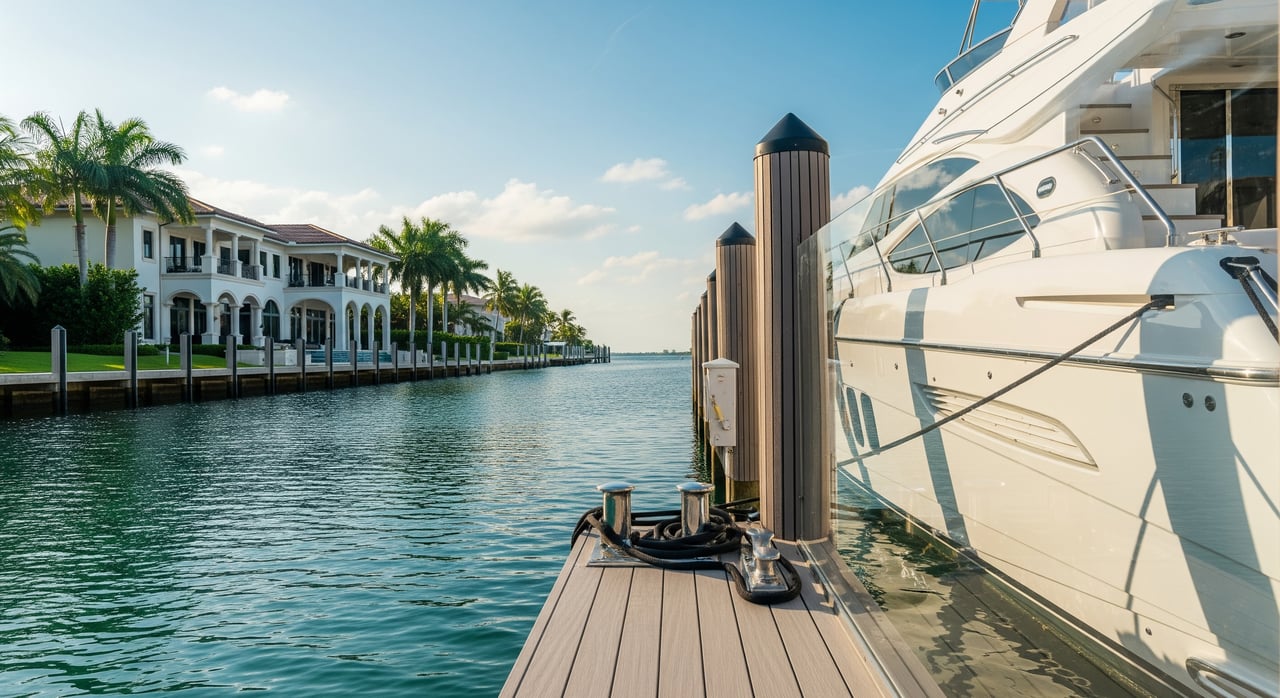
Waterfront estates and marinas anchor these upper-end neighborhoods. Price points are high, which tends to compress cap rates, but long-term scarcity value can be strong.
Budget for higher maintenance, insurance, and property taxes. Turnover is limited, so patience and off-market access help.
Wilton Manors
A walkable, small-city environment just north of downtown, Wilton Manors features small multifamily, townhomes, and single-family homes. You can find steady long-term rental demand and opportunities to own smaller buildings.
Inventory is more limited compared with tower-heavy corridors. Expect strong occupancy and lower unit counts per asset.
North Fort Lauderdale, Lauderdale Lakes, Oakland Park, plus Pompano Beach and Deerfield Beach
These areas offer more affordable entry prices, garden-style apartments, and small multifamily buildings. Investors often pursue higher initial yields and value plays as demand spreads north.
Amenities and rental dynamics vary by block, so complete street-by-street diligence. Validate rent comps, unit finishes, and tenant demand before committing to a renovation scope.
Match your strategy to the submarket
- Short-term rental focus: Downtown, Las Olas, and beach-adjacent condos or homes, subject to local rules and building policies.
- Buy-and-hold single-family: River-area neighborhoods like Victoria Park and Rio Vista, plus select inland pockets with stable rental demand.
- Small multifamily: Wilton Manors and adjacent inland neighborhoods with consistent occupancy.
- Value-add and flips: Older single-family and condos with deferred maintenance in transitional areas where renovation premiums are clear.
The numbers that matter
Core valuation metrics
- Cap rate: Net Operating Income divided by purchase price. Use it to compare assets across submarkets.
- NOI: Gross rent after vacancy minus operating expenses, excluding debt service.
- Cash-on-cash: Annual pre-tax cash flow divided by total cash invested.
- GRM: Purchase price divided by gross annual rent. Useful for fast screening.
Underwriting assumptions to sanity-check
- Vacancy: 5 to 8 percent for long-term rentals in healthy conditions, with seasonal markets varying by month.
- Operating expenses: 25 to 40 percent of rent for single-family. Condos shift spend to HOA fees, which can reach 30 to 50 percent of rent in some buildings.
- Management: 8 to 12 percent for long-term rentals. Short-term operations typically run higher due to turnover and platform or management fees.
- Insurance: Highly variable in Broward County. Budget for homeowners or landlord coverage and flood where required.
- Financing: Expect 20 to 25 percent down for many investor loans, with rate premiums for investment properties. Condo project approval can affect availability and pricing.
Yield ranges to expect
- Beachfront and Las Olas condos: lower to mid single-digit cap rates due to premium pricing and strong demand.
- Inland single-family and small multifamily: mid to high single-digit cap rates depending on condition and location.
- Emerging inland pockets: higher cap rates with higher operational risk. Balance underwriting with tenant quality, maintenance, and leasing velocity.
Stress-test your deal
Run three scenarios: conservative, baseline, and optimistic. Sensitize rent growth, vacancy, insurance increases, HOA special assessments, and interest rates. Be sure to model a jump in insurance or a special assessment for older condo towers.
Rules, risk, and what to verify
Short-term rental licensing and taxes
The City of Fort Lauderdale regulates short-term rentals. Review the city’s requirements for registration, zoning, parking, and advertising disclosures, and confirm current tourist tax obligations before you buy. Start with the City of Fort Lauderdale to confirm the latest rules.
Short-term rentals are generally subject to state and local transient taxes. Verify current rates with the Florida Department of Revenue and the Broward County Tourist Development Council.
Condo governance and reserves
Post-2021 changes increased inspection and reserve funding requirements for many condo associations. Always request HOA meeting minutes, reserve studies, budget, and special assessment history. The Florida DBPR publishes condo-related guidance and updates.
Flood, sea-level, and insurance exposure
Fort Lauderdale is low-lying, so confirm FEMA flood zones, obtain an Elevation Certificate, and price flood coverage early. Use the FEMA Flood Map Service Center to check parcel-level risk.
Insurance costs can materially impact cash flow. Review guidance from the Florida Office of Insurance Regulation and consider alternatives such as the Citizens Property Insurance Corporation where eligible.
Permits, zoning, and code
Confirm permits for past renovations and ensure your plan matches zoning and use rules. Unpermitted work can delay or derail closings. If you plan a conversion or a short-term rental, document compliance before you go hard on deposit.
How to research comps and stay current
- Property records and tax history: Use the Broward County Property Appraiser to confirm ownership, valuations, and prior assessments.
- Market data: Pull local MLS market reports and check regional snapshots from Florida Realtors.
- Jobs and demographics: Use the Bureau of Labor Statistics and the U.S. Census American Community Survey for employment and household trends.
- Rent comps: Compare unfurnished and furnished rents by bedroom count and seasonality. Verify HOA rental rules and minimum lease terms for condos.
Your next step
The best Fort Lauderdale investments align strategy, submarket, and underwriting discipline. If you value discreet sourcing, clear financial modeling, and senior-level guidance, let’s talk. Unlock VIP and off-market options, review building reserves and insurance early, and structure a purchase that performs through cycles.
If you are ready to move from research to results, connect with Noah J. Heller for a private investor consultation and curated deal flow.
FAQs
What should I know about Fort Lauderdale short-term rental rules?
- The city requires registration and compliance with zoning, parking, and advertising rules, and short-term rentals are generally subject to state and county transient taxes.
How do HOA fees and special assessments affect condo returns?
- HOA fees can function like a large expense line, and post-2021 reserve requirements may lead to higher fees or assessments, so underwrite with current budgets and reserve studies.
Where can I check flood risk for a Fort Lauderdale property?
- Use the FEMA Flood Map Service Center for zone status, obtain an Elevation Certificate, and price flood coverage alongside hazard and wind insurance.
What cap rates are typical across Fort Lauderdale submarkets?
- Beachfront and Las Olas condos often run lower to mid single digits, while inland single-family and small multifamily can land in the mid to high single digits depending on condition and location.
How do property and tourist taxes impact rental income in Broward?
- Long-term rentals are subject to property taxes, while short-term rentals generally owe state sales tax and county tourist development taxes, so confirm rates before you finalize pricing and pro formas.