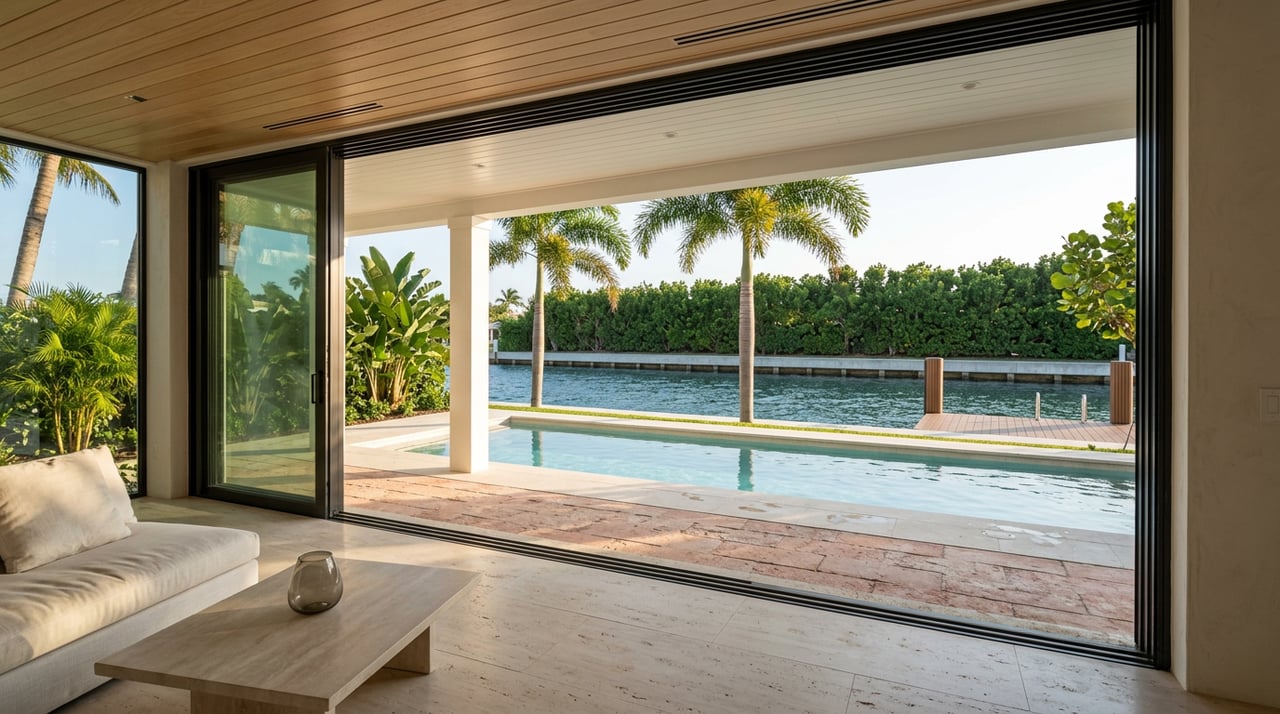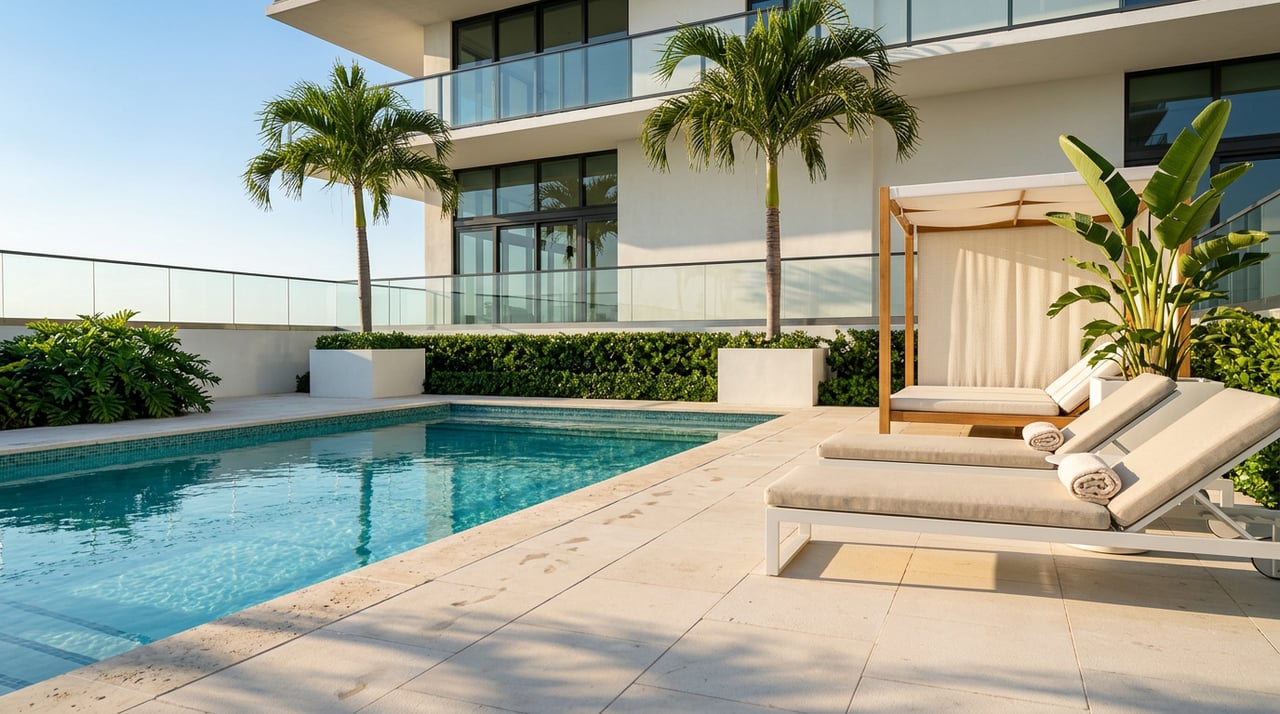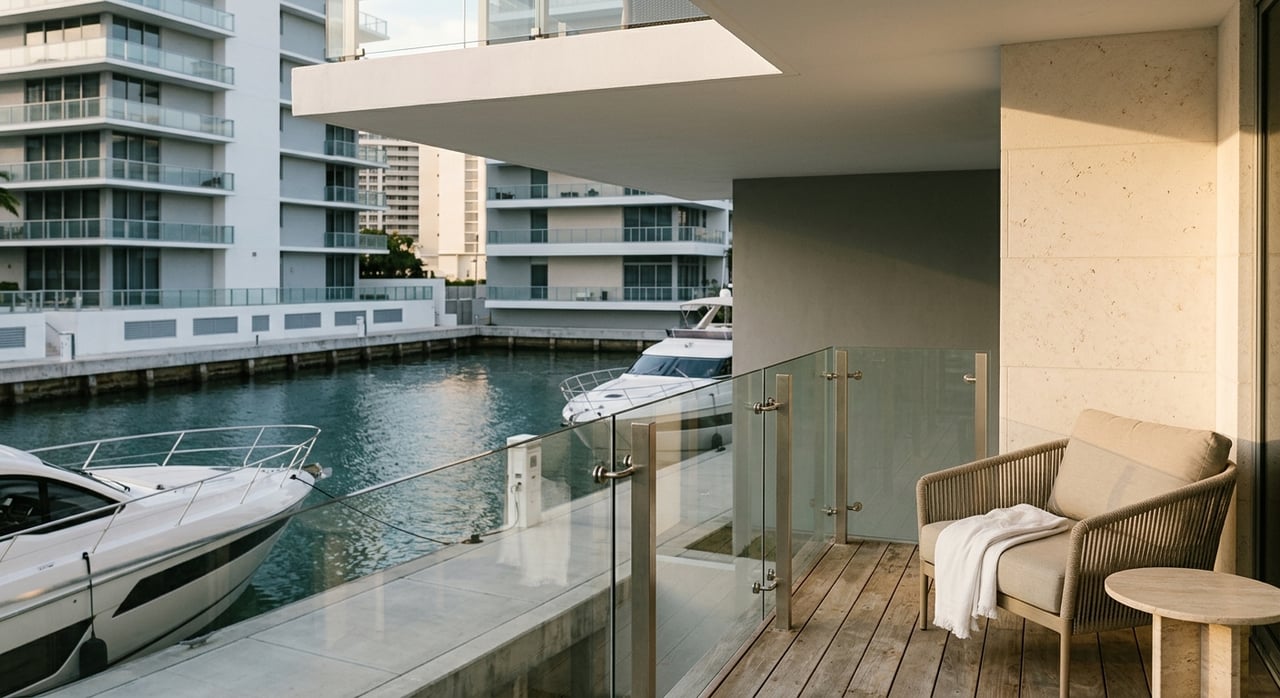
Picture sunrise over the Atlantic, yachts sliding along the Intracoastal, and your morning coffee on a balcony above it all. In Fort Lauderdale, a waterfront condo can deliver that lifestyle and still work as a disciplined investment if you choose the right building and understand the rules. In this guide, you’ll learn how the city’s waterfront breaks into three practical corridors, what to check on boating access and rentals, and the due diligence that protects your bottom line. Let’s dive in.
How the waterfront market feels now
Recent city and broker reporting through mid‑2025 shows a mixed picture for condos. Inventory and days on market have climbed in several buildings, which can give you more leverage. At the same time, trophy waterfront homes continue to draw capital, which helps anchor confidence in the broader waterfront. If you plan to quote live pricing, use current local MLS data and date your numbers.
The three waterfront corridors
Fort Lauderdale’s waterfront condo scene falls into three useful lanes. Each offers a different balance of views, boating, and operating details that matter for your lifestyle and your pro forma.
Intracoastal and New River
Think urban-meets-nautical. You are close to Las Olas Boulevard, downtown services, and active waterways. Buildings range from boutique low-rise to amenity-rich towers with valet and concierge.
- Lifestyle: Walkable dining and culture with boat traffic as your backdrop. Expect 20 to 30 minute runs to the inlet for many locations.
- Boating: Some towers offer private or assigned dockage. Slip rights and sizing can define your search, especially for larger vessels. New marina capacity in the Las Olas area is expanding. You can review current programming at the updated Las Olas Marina.
- Investment lens: Full-service buildings can carry higher HOA fees. Confirm reserves and any inspection-driven projects before you model returns.
Beachfront and ocean-facing towers
This is pure ocean living along A1A and the Galt Ocean Mile. You get direct beach access, boardwalk energy, and a mix of mid-century and new luxury towers.
- Lifestyle: Sunrise swims, sandy walks, open-water views. If ocean views are your top priority, this corridor leads.
- Boating: Most oceanfront buildings do not have deep-water slips due to barrier-island geography. Nearby marinas can fill the gap, but plan for a short drive or water taxi.
- Investment lens: Premium views often mean premium prices. Focus on building renovation history, impact glass, waterproofing, and upcoming capital needs when you compare options.
Marina-adjacent and resort-marina clusters
Around Pier Sixty-Six, Bahia Mar, Las Olas Marina, and the 17th Street corridor, you are inside the marina ecosystem. That means large slips, fuel, crew services, and event energy.
- Lifestyle: Restaurants, yacht services, and the Fort Lauderdale International Boat Show buzz. Popular with active boaters and owners who want hotel-style amenities.
- Boating: Slip capacity and services are expanding across central Fort Lauderdale. The Las Olas Marina redevelopment and partnerships with the city are adding programming that can affect slip supply and demand, as covered in industry reports on Suntex’s partnership.
- Investment lens: If a residence advertises assigned or deeded slips, verify the exact terms. Ask about transferability, fees, and taxes tied to the slip.
Rules and risks that shape returns
Smart buyers weigh regulatory, physical, and insurance factors early. These directly affect cash flow, financing, and resale.
Structural inspections and reserves
Florida now requires milestone structural inspections and Structural Integrity Reserve Studies for many 3+ story condos. Results drive mandatory reserve funding and can lead to new assessments. Ask for the latest SIRS, any milestone inspection report, current budgets, and the last 12 months of board minutes. The state’s guidance is summarized in the DBPR’s condo FAQ.
Flood risk and mapping
Flood zones affect mortgages and insurance pricing. Always check the property’s FEMA Flood Insurance Rate Map panel and note recent changes that might trigger new insurance requirements. Use FEMA’s official Flood Map Service Center and consider running long-term scenarios with regional sea level data when you plan a hold period.
Insurance: master policy, HO‑6, and flood
In condo practice, the association carries a master policy. You will carry a HO‑6 policy for interior coverage and flood insurance if required by the lender. For waterfront units, wind and hurricane deductibles are key. Ask for the current master insurance certificate, then get independent quotes before you finalize an offer. For context on statewide rate dynamics, review the Florida OIR’s public hearing slide summaries.
Short-term rentals: city and building rules
Fort Lauderdale requires registration and a Certificate of Compliance for vacation rentals, with inspections and tax obligations. Separately, most condo associations set minimum lease terms and caps. A building can prohibit short stays even if the city allows them. Read both sets of rules before you underwrite nightly or seasonal income. The city outlines the process in its vacation rental compliance checklist.
Marina and dockage details
If slips matter, confirm whether they are deeded, leased, or subject to waitlists. Get the slip agreement and specs for length overall, beam, draft, and shore power. For central updates and services, review the operator pages for Las Olas Marina.
Governance and legal documents
Association documents reveal the building’s financial health and any pending projects or litigation. Ask for the declaration, bylaws, recent budgets, insurance certificate, audits, and 12 months of minutes. The association’s estoppel should reflect fees, assessments, and approval steps. Florida’s condo statute (Chapter 718) sets many of these requirements and fee limits. You can reference the current statute text.
Financing and resale implications
Condo financing depends on the project, not just your credit. Conventional and government lenders screen for owner-occupancy ratios, reserves, insurance, and litigation. Projects that fall short become non-warrantable, which can narrow your buyer pool on resale. Have your lender run the condo questionnaire early. You can also search project approvals on HUD’s FHA condo lookup.
Rental flexibility and resale appeal tend to trade off. Short-stay-friendly buildings can boost seasonal income but may narrow the owner-occupant buyer pool later. Stricter lease rules can reduce short-term upside while supporting long-term stability. Document the policy and any grandfathering before you bank on rent.
Buyer checklist: what to confirm before you offer
Use this to save time and protect your return.
- Documents and inspections: declaration, bylaws, rules, 12–24 months of minutes, budgets, financials, master insurance certificate, reserve studies, plus SIRS and any milestone inspection reports for 3+ story buildings. See the DBPR’s condo FAQ.
- Rental rules and licensing: building lease terms, caps, application steps, and Fort Lauderdale’s registration and inspection requirements. Start with the city’s vacation rental compliance checklist.
- Flood and resilience: confirm FEMA flood zone and recent map changes. Check the parcel at FEMA’s Flood Map Service Center.
- Insurance quotes early: obtain the association’s master insurance summary and get HO‑6 and flood quotes. Review statewide context via Florida OIR’s public hearing slide summaries.
- Dockage specifics: if a slip is included or available, verify deeded vs. leased terms, measurements, and power. For central marina context, see Las Olas Marina.
- Financing pre-check: have your lender vet the project for warrantability and approvals. Use HUD’s FHA condo lookup as a starting reference.
- Professional team: engage a Florida condo attorney for document review and an insurance broker who understands waterfront master policies. Consider marine or structural experts when docks or seawalls are part of your evaluation. Use the DBPR’s FAQ as a compliance reference.
How to choose your corridor
Start with your top non-negotiable. If you want your vessel steps from home, focus on Intracoastal or marina-adjacent buildings and confirm slip rights first. If daily beach time and ocean views matter most, prioritize ocean-facing towers and plan for nearby marina access.
Then map the numbers. For investors, put reserve funding, master insurance costs, and rental rules at the top of your underwriting. For second-home buyers, balance HOA services you will actually use against dues and upcoming capital projects.
Finally, think resale. Buildings with strong financials, clear inspection histories, and broad financing eligibility attract more future buyers. That can lower your carry risk and widen your exit options.
Ready to explore on-the-water options with a plan and a seasoned guide at your side? Reach out to Noah J. Heller to align your lifestyle goals with a sound acquisition strategy and unlock select on and off-market opportunities.
FAQs
What should Fort Lauderdale condo buyers know about new inspection and reserve rules?
- Florida requires milestone inspections and Structural Integrity Reserve Studies for many 3+ story buildings. Ask for the latest SIRS, any milestone report, budgets, and minutes. See the DBPR’s condo FAQ.
Can I do short-term rentals in a Fort Lauderdale waterfront condo?
- The city requires registration and inspections, and many associations set minimum lease terms or caps. You must comply with both. Review the city’s vacation rental checklist and your building’s rules.
How does flood risk affect waterfront condo ownership in Broward County?
- Flood zones influence lender requirements and premiums. Always check the address at FEMA’s Flood Map Service Center and plan your HO‑6 and flood coverage accordingly.
I own a boat. What condo details should I confirm near Las Olas and marina areas?
- Verify slip type and rights, vessel size limits, shore power, transferability, and fees. For current marina services and capacity, review Las Olas Marina.
How does financing work for non-warrantable condos in Fort Lauderdale?
- If a project fails standard eligibility tests, you may need portfolio or jumbo financing. Have your lender review the project early and consult HUD’s FHA condo lookup for approval status.