If you want a luxury condo in Miami, you have more choice than ever — and more details to get right before you buy. You might be comparing Brickell’s skyline energy to Miami Beach’s oceanfront calm, or weighing newer bayfront towers in Edgewater against boutique buildings in the Grove. Your goal is simple: enjoy the lifestyle you want and protect your investment. In this guide, you’ll see how Miami’s top condo corridors differ and how to underwrite a building like a pro, from inspections and reserves to insurance and flood exposure. Let’s dive in.
How to choose your corridor
Start with lifestyle and daily rhythm. Do you want car-light living with transit and dining at your door, or a quieter waterfront setting with larger terraces? Next, consider building type and age because these drive ongoing costs. Newer high-rises and recently remediated buildings may carry different assessment and reserve profiles than older coastal stock.
Then, layer in due diligence that is specific to Florida. The state now requires periodic building milestone inspections and Structural Integrity Reserve Studies. You should verify a building’s milestone status under Florida Statute 553.899, confirm its reserve plan in the DBPR’s SIRS framework, and check the building’s local recertification case with Miami-Dade County’s program. Finally, price out insurance, flood exposure, and likely assessments before you write an offer.
Neighborhood snapshots for savvy buyers
Brickell: urban high-rise convenience
Brickell is Miami’s financial district and luxury high-rise hub. Towers here are predominantly glass, mixed-use, and feature full-service amenities like concierge, large gyms, skyline pools, and residents’ lounges. Buyers choose Brickell for walkable living, access to dining and retail, and proximity to jobs.
Walkability is a standout. Many core addresses score very high on WalkScore, and Brickell has strong access to Metromover and Metrorail. You can confirm the area’s car-optional lifestyle using the Brickell core walkability snapshot. Pricing varies by tower age, finishes, and amenities, so plan to compare newer product with well-managed resales.
Edgewater: bayfront views and space
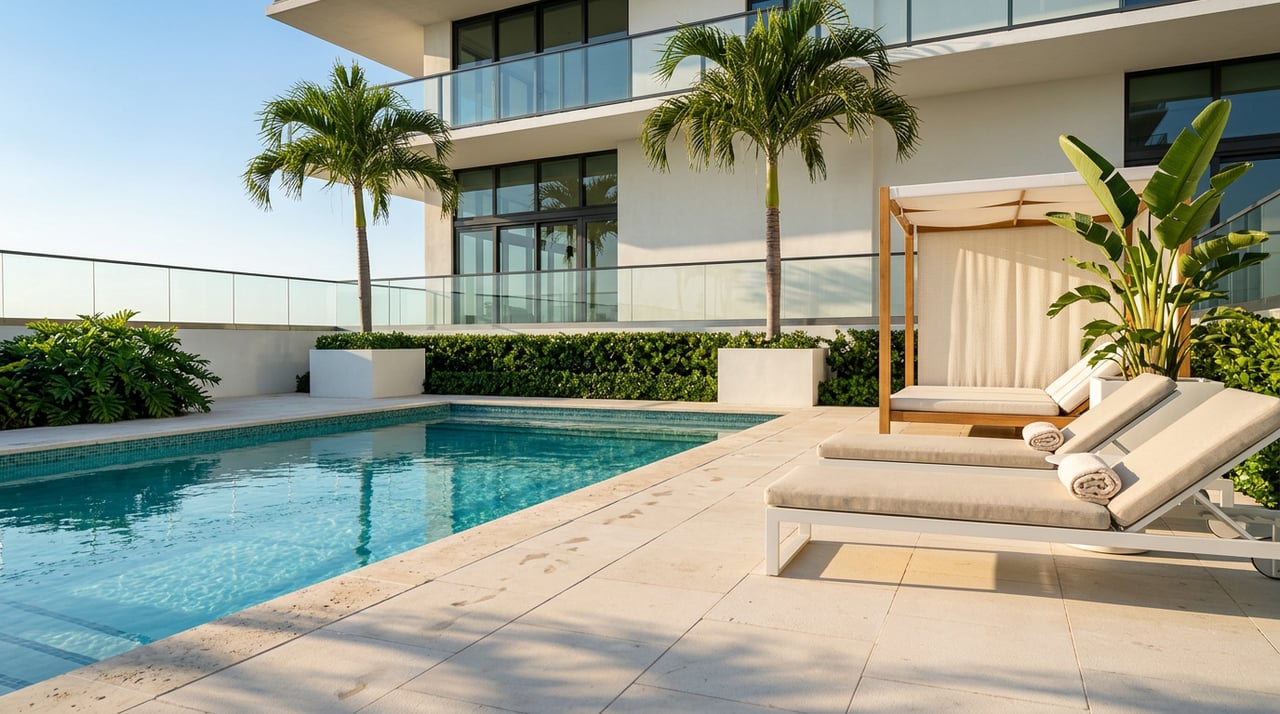
Edgewater lines Biscayne Bay on the northern edge of Greater Downtown. Many towers are newer, with larger floorplates and expansive water views. You’ll see amenity decks with bayfront pools, fitness and spa spaces, and generous terraces that blur indoor and outdoor living.
The neighborhood sits close to Wynwood, the Design District, and Downtown job centers. For a quick sense of daily convenience, review how “very walkable” sections score on Wynwood–Edgewater WalkScore. Buyers gravitate here for waterfront vistas without island pricing, plus easy access to arts and dining.
Miami Beach: boutique to ultra-luxury oceanfront
Miami Beach offers a mix of historic low-rise pockets, boutique luxury buildings, and ultra-luxury oceanfront towers. South Beach places you steps from culture, dining, and nightlife, while Mid-Beach and North Beach offer a more residential feel with beachfront amenities.
Walkability in core areas is high, but flood exposure and adaptation work are part of the conversation on the barrier island. The City maintains an interactive flood guide that explains elevation, pumping systems, and street-raising projects. If you love oceanfront living, pair lifestyle goals with careful review of flood zones and building-level mitigation.
Sunny Isles Beach: direct oceanfront and privacy
Sunny Isles is known for tall, amenity-rich towers and private beachfront living. Many projects are branded and highly serviced, attracting second-home and international buyers who want turnkey experiences. The focus is on ocean views, on-site hospitality, and substantial amenity sets.
Expect premium pricing for standout buildings and line positions. Since towers here are highly amenitized and coastal, diligent review of master insurance and hurricane deductibles is essential.
Coconut Grove & Coral Gables: low-rise luxury and greenspace
If you prefer a quieter, tree-canopy setting with smaller luxury condo projects, Coconut Grove and Coral Gables deliver. Architecture trends lower-rise with Mediterranean and contemporary influences. Many buyers choose these areas for a neighborhood feel, access to parks and clubs, and a less vertical lifestyle.
Because buildings vary in age and scale, assessment exposure and reserve planning can differ widely. Compare association financials and recent capital projects when you evaluate options.
What changed after Surfside: inspections and reserves
Florida revamped condo safety and funding rules after 2021. For qualifying buildings with three or more habitable stories, the state requires periodic milestone inspections at 30 years of age, or 25 years if within 3 miles of the coastline, then every 10 years thereafter. A licensed engineer or architect performs a visual Phase 1 and a more detailed Phase 2 if substantial deterioration is suspected. Review the statute language on milestone inspections before you bid.
Structural Integrity Reserve Studies, or SIRS, are separate but related. Associations must identify critical components, estimate remaining useful life, and follow updated reserve funding rules. The DBPR’s SIRS guidance outlines timing, disclosures, and limits on waiving certain reserves.
Miami-Dade also runs an independent recertification program that aligns with state law and sets earlier schedules for many coastal buildings. You should confirm the building’s case status and deadlines using the County’s recertification portal. Together, milestone, SIRS, and local recertification drive repair timelines, budget decisions, and potential special assessments.
Practical buyer impacts
- Expect more transparent disclosures of structural findings and reserve needs, which can affect pricing and contingencies.
- Associations may raise dues or levy special assessments to fund required work. Model different scenarios, especially for older or coastal buildings.
- If you plan to use FHA or VA financing, confirm whether the condo project is approved early in the process using HUD’s FHA condominium lookup.
Insurance, flood and long-term cost of ownership
Insurance is a major line item for Florida coastal condos. The property market shows signs of stabilization in 2024 and 2025, according to the Office of Insurance Regulation’s Property Insurance Stability Report, but flood and wind exposure still shape premiums, deductibles, and carrier appetite. For a clear cost picture, request the association’s current master policy declarations and price your unit’s HO-6 and any supplemental flood coverage.
Flood risk should be part of building selection. Review FEMA flood zones and elevation for the property using Miami-Dade’s flood maps and guidance. For long-term planning, consult regional projections from the Southeast Florida Regional Climate Change Compact, which provides unified guidance on sea-level rise and adaptation across the county and neighboring jurisdictions.
A focused due diligence checklist
Use this checklist to compare buildings and reduce surprises before you commit:
- Milestone inspection reports. Ask for Phase 1 and any Phase 2, plus the sealed summary from the licensed professional. See the state’s milestone statute for scope.
- Structural Integrity Reserve Study. Request the full SIRS and the association’s current reserve funding plan. Review the DBPR FAQs for context.
- Financials and minutes. Collect the current budget, most recent year-end financials, balance sheet, bank statements, and 12–24 months of board and membership meeting minutes. Scan for deferred maintenance, litigation, and any capital project votes.
- Master insurance. Obtain certificates with named carriers, limits, wind and flood deductibles, and coverage basis. Compare policy terms with your lender and insurance advisor.
- Miami-Dade recertification status. Verify the building’s case number, submittals, and outstanding items using the County’s recertification portal.
- FHA/VA status. If relevant, check the project’s status on HUD’s FHA condominium lookup.
Watch for red flags:
- Low or zero reserve balances while SIRS identifies near-term work on structural components.
- Recent or recurring special assessments that materially exceed normal operations.
- High HOA delinquency and litigation that could impact financing or resale.
- Unusually large hurricane or flood deductibles that could increase unit-owner exposure after a storm.
Your next step
If you want lifestyle clarity and rigorous underwriting in one process, bring in a small, experienced team. You will benefit from a licensed structural engineer familiar with local recertification, an HOA-savvy attorney, an insurance broker who writes coastal Florida condos, and a lender who understands condo project approvals. With the right plan, you can enjoy Miami’s best amenities and protect your downside.
When you are ready to tour buildings, compare reserve studies, or access VIP and off-market options, connect with Noah J. Heller for discreet, white-glove guidance.
FAQs
What should a Miami luxury condo buyer review before making an offer?
- Ask for the building’s milestone inspection, SIRS, recent financials, board minutes, master insurance certificates, and Miami-Dade recertification status before you finalize terms.
How do Florida’s milestone inspections affect condo buyers?
- Milestone inspections under Florida Statute 553.899 can identify repairs that drive timelines, budgets, and possible special assessments, which you should factor into pricing and contingencies.
How can I check a building’s recertification in Miami-Dade?
- Use the County’s recertification portal to search the building’s case, review submittals, and confirm outstanding items or deadlines.
What insurance costs should I model for a coastal Miami condo?
- Review the association’s master policy for carrier, limits, and deductibles, then get quotes for your HO-6 and any flood policy; consult the OIR’s stability report for market context.
How walkable are Brickell and Edgewater for daily errands?
- Brickell’s core is highly walkable and transit served, as shown in this WalkScore snapshot; parts of Edgewater also score “very walkable,” per the Wynwood–Edgewater WalkScore.
How do I evaluate flood exposure for Miami Beach or bayfront condos?
- Check FEMA zones and elevation using Miami-Dade’s flood maps and review the City of Miami Beach’s interactive flood guide to understand local adaptation and mitigation steps.